
Can Animals Spread Japanese Knotweed? A Complete Guide
Japanese knotweed (Fallopia japonica) is one of the most invasive plants in the UK. The plant spreads rapidly and can cause problems for gardens, buildings, and infrastructure.
Many people ask an important question:
Can animals spread Japanese knotweed?
The short answer is yes, but it is very unlikely. Most Japanese knotweed spread occurs through human activity rather than animals.
How Japanese Knotweed Usually Spreads
Japanese knotweed spreads mainly through rhizomes, which are underground stems.
Even a very small fragment of a rhizome can grow into a new plant.
The most common ways knotweed spreads include:
-
moving contaminated soil
-
construction and landscaping work
-
dumping garden waste
-
fragments travelling along rivers and streams
-
contaminated machinery and vehicles
Because the plant regenerates from tiny fragments, accidental soil movement is the main cause of new infestations.
Can Animals Spread Japanese Knotweed?
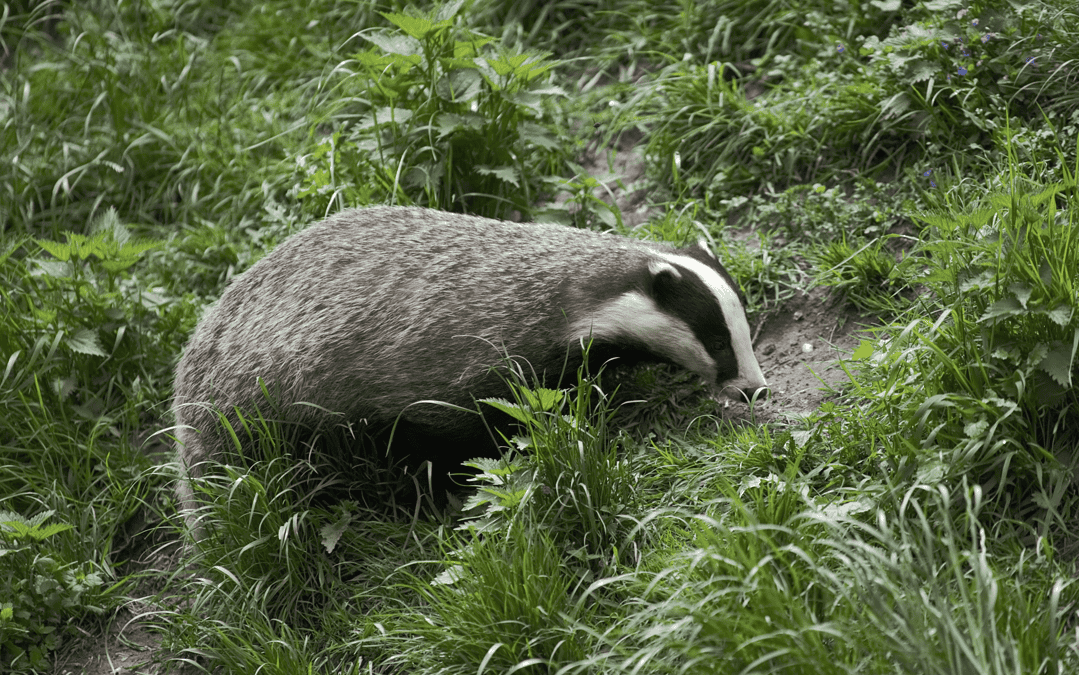
Animals could theoretically move knotweed fragments. For example, small pieces of rhizome might stick to mud on paws or fur.
This might occur with animals such as:
-
dogs
-
foxes
-
badgers
-
livestock
However, there is very little scientific evidence showing animals regularly spread Japanese knotweed.
Compared with soil movement or water transport, animal spread is considered extremely rare.
Why Insects Do Not Spread Japanese Knotweed in the UK
Japanese knotweed flowers attract bees and other insects. However, this does not normally cause the plant to spread.
In the UK, most Japanese knotweed plants are female clones. Because of this, the seeds produced are usually not viable.
Therefore, insects carrying pollen rarely create new plants.
Instead, almost all spread occurs through rhizome fragments in soil.
Can Water Spread Japanese Knotweed?
Water is one of the most common natural means by which knotweed spreads.
Fragments of the stem or rhizome can break off and travel downstream.
These fragments may then root in riverbanks, wetlands, or disturbed ground.
This explains why knotweed often appears along rivers, canals, and railway lines.
How to Prevent the Spread of Japanese Knotweed
Preventing spread is the most important step in managing Japanese knotweed.
Property owners should take several precautions:
Avoid moving contaminated soil
Moving soil from affected areas can spread rhizomes.
Do not cut and dump plant material
Improper disposal may create new infestations.
Monitor affected areas regularly
Early detection allows treatment before the infestation grows.
Use professional treatment methods
Specialist contractors can safely control the plant.
How to Identify Japanese Knotweed
Japanese knotweed has several distinctive features.
Look for these signs:
-
heart-shaped green leaves
-
bamboo-like hollow stems
-
purple speckles on stems
-
clusters of small white flowers in late summer
-
rapid growth reaching 2–3 metres in height
During winter, brown hollow canes often remain standing.
Conclusion
Animals may occasionally move small fragments of Japanese knotweed. However, this is not a major cause of the spread.
In most cases, the plant spreads through soil movement, waterways, and human activity.
Early identification and professional treatment remain the most effective ways to control Japanese knotweed.
Suspect Japanese Knotweed?
If you believe Japanese knotweed may be growing on your property, expert advice can quickly confirm the problem.
Stephen Singleton
PCA-Accredited Japanese Knotweed Surveyor
📞 07753 682333
Early treatment helps prevent the plant from spreading and protects your property value.