
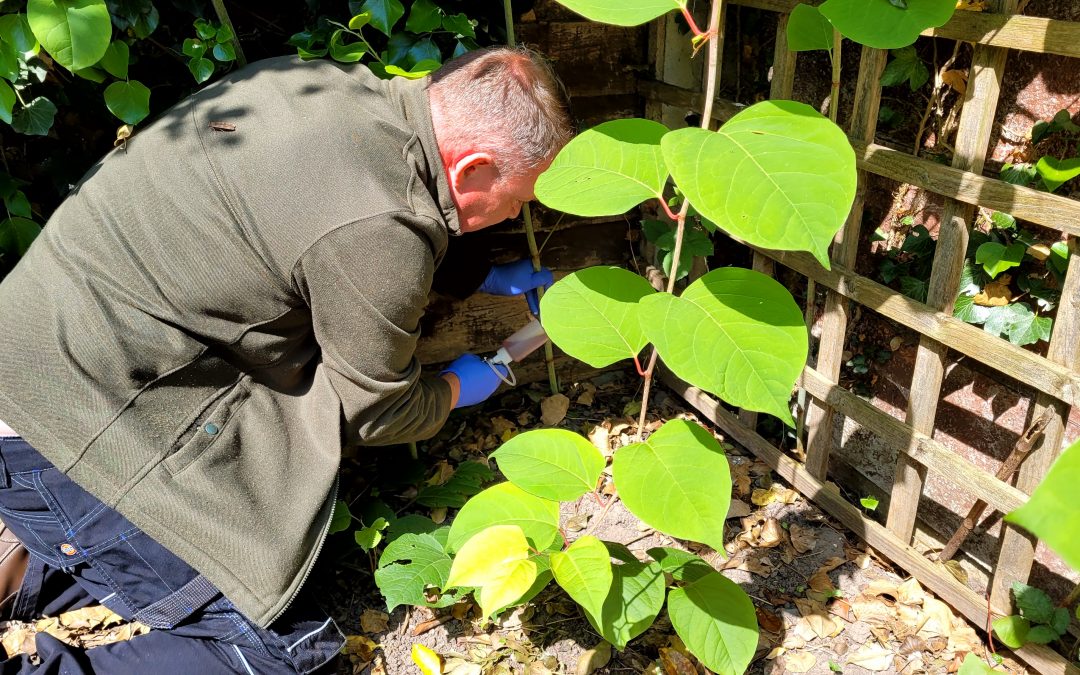
Can Japanese Knotweed Spread on Shoes?
Yes, Japanese knotweed can spread on shoes. However, the risk is usually low unless soil containing rhizome fragments sticks to footwear.
Japanese knotweed spreads mainly through its underground rhizome system. Even small fragments can regenerate when they reach suitable soil conditions. Therefore, contaminated soil carried on boots, tools, or machinery can occasionally create new infestations.
Although footwear is not the main means of transmission, caution is still important when walking in areas where Japanese knotweed grows.
Why Japanese Knotweed Spreads So Easily
Japanese knotweed spreads quickly due to its extensive underground rhizomes. These root-like structures store energy and allow the plant to regenerate from small pieces.
In fact, rhizome fragments as small as a few grams can produce new shoots. Once established, the plant grows rapidly and forms dense stands that are difficult to control.
Because of this ability, even small fragments transported in soil can create new growth.
Can Shoes Really Spread Japanese Knotweed?
In theory, yes. If soil containing rhizome fragments sticks to your footwear, the fragments could move to another location.
However, this situation is uncommon. Most infestations spread through larger soil movements rather than casual walking.
Nevertheless, it is sensible to clean muddy footwear after walking near knotweed sites. This simple step reduces the chance of transporting contaminated soil.
Common Ways Japanese Knotweed Spreads in the UK
While footwear can carry small fragments, several other methods spread Japanese knotweed more frequently.
Soil Movement
Moving contaminated soil is the most common cause of new infestations. Even tiny rhizome fragments within soil can regenerate.
Construction and Landscaping Work
Excavation equipment and machinery often move soil from one location to another. If knotweed is present, fragments can spread quickly during groundworks.
Waterways
Rhizome fragments can break away and travel along rivers and streams. When they settle along riverbanks, new plants may develop.
Improper Garden Waste Disposal
Japanese knotweed waste must never be included in normal garden waste. In the UK, this plant material is classified as controlled waste.
Human and Animal Activity
Animals and people may accidentally move contaminated soil or plant fragments. However, this usually involves larger soil disturbance rather than casual contact.
Legal Guidelines for Japanese Knotweed Disposal
Japanese knotweed waste is classified as controlled waste under the Environmental Protection Act 1990.
Property owners must ensure it is handled and disposed of correctly. Improper disposal can lead to enforcement action or fines.
Because of this, contaminated soil and plant material should only be removed by licensed waste carriers and disposed of at approved facilities.
How to Prevent Japanese Knotweed from Spreading
Preventing spread is much easier than dealing with a large infestation. Property owners should take simple precautions.
Clean Footwear
Remove soil from boots and shoes after walking in areas where knotweed grows.
Clean Tools and Machinery
Construction equipment, gardening tools, and vehicles should be cleaned after working near knotweed.
Avoid Moving Contaminated Soil
Never move soil from areas where knotweed may be present.
Use Licensed Waste Disposal
Always dispose of knotweed waste through approved disposal routes.
Seek Professional Advice
Professional surveys help identify infestations early and prevent accidental spread.
Professional Japanese Knotweed Control
Japanese knotweed management requires specialist knowledge and careful planning. Professional surveyors can identify infestations, assess the level of risk, and recommend suitable treatment options.
Structured treatment plans often involve multi-year herbicide programmes or controlled excavation where necessary. Professional management also ensures compliance with UK legislation and helps protect property value.
If you suspect Japanese knotweed on your property, arranging a professional survey is the safest way to confirm identification and prevent further spread.