
Japanese knotweed is one of the most invasive plants in the UK.
However, many people are surprised to learn that young shoots are edible.
In fact, chefs and foragers sometimes use Japanese knotweed in cooking.
Its flavour closely resembles rhubarb. Therefore, it works well in both sweet and savoury dishes.
This guide explains:
-
Whether Japanese knotweed is safe to eat
-
The potential health benefits
-
The flavour profile
-
Several ways to cook Japanese knotweed at home
However, always harvest responsibly and never spread plant fragments. This invasive species spreads easily through small rhizome pieces.
Japanese knotweed has a sweet and tart flavour similar to rhubarb.
Young spring shoots provide the best flavour. They remain tender and less fibrous.
Many people describe the taste as:
-
Rhubarb-like
-
Slightly citrus
-
Sharp and refreshing
Because of this flavour profile, Japanese knotweed works well in desserts, jams and syrups.
Potential Health Benefits of Japanese Knotweed
Japanese knotweed contains several compounds that may support health.
Rich in Antioxidants
The plant contains resveratrol, a powerful antioxidant also found in grapes.
Antioxidants help protect cells from damage caused by free radicals.
Anti-Inflammatory Properties
Some studies suggest compounds in knotweed may help reduce inflammation.
Therefore, extracts are sometimes used in herbal supplements.
High Fibre Content
Young shoots provide dietary fibre. Fibre supports digestion and helps stabilise blood sugar levels.
However, knotweed should be eaten in moderation like rhubarb because it contains oxalic acid.
When Can You Harvest Japanese Knotweed for Cooking?
Japanese knotweed shoots appear in early spring, between March and May, in the UK.
Harvest shoots when they are:
-
Under 20–30 cm tall
-
Tender and bright green
-
Easily snapped
Avoid older stems. They become tough and fibrous.
Never transport knotweed soil or roots. Doing so can accidentally spread the plant.

Japanese knotweed jam on toast
Ways to Cook Japanese Knotweed
Japanese knotweed can be used in many recipes.
Most recipes treat it exactly like rhubarb.
1. Japanese Knotweed jam is one of the most popular recipes.
Cook chopped knotweed with:
-
Sugar
-
Lemon juice
-
A little water
The mixture thickens into a tart and refreshing preserve.
Spread it on toast or use it in desserts.
-
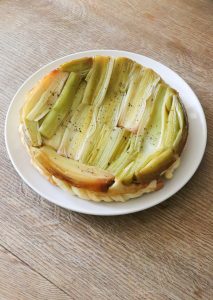
Japanese knotweed pie
Japanese knotweed works beautifully in pies and crumbles.
Use it exactly like rhubarb.
Combine chopped shoots with:
-
Sugar
-
Strawberries or apples
-
Pastry or crumble topping
Bake until the filling becomes soft and syrupy.
3. Knotweed Syrup
Japanese knotweed syrup creates a unique ingredient for drinks.
Cook chopped shoots with sugar and water.
Then strain the liquid.
Use the syrup in:
-
Cocktails
-
Lemonade
-
Desserts
-
Pancakes
The flavour remains tangy and refreshing.
4. Pickled Japanese Knotweed
Pickling gives knotweed a sharp flavour similar to pickled rhubarb.
Use vinegar, sugar and spices.
Then store the pickled shoots in sterilised jars.
Pickled knotweed works well with:
-
Salads
-
Cheese boards
-
Sandwiches
5. Add to Savoury Dishes
Japanese knotweed also works in savoury cooking.
Try adding small pieces to:
-
Stews
-
Sauces
-
Chutneys
-
Fish dishes
Its tart flavour adds brightness to rich meals.
Important Warning About Japanese Knotweed
Although knotweed can be eaten, it remains one of the most damaging invasive plants in the UK.
The plant spreads aggressively through underground rhizomes.
Even tiny fragments can create new infestations.
Because of this risk:
-
Never compost knotweed
-
Never move contaminated soil.
-
Dispose of plant material responsibly.
If knotweed grows on your property, professional treatment may be required.
Professional Japanese Knotweed Help
If you discover Japanese knotweed on your property, expert advice is essential.
A professional survey identifies:
-
The size of the infestation
-
The risk to buildings
-
The most effective treatment plan
At Japanese Knotweed Plus Ltd, we provide:
-
PCA-accredited knotweed surveys
-
5-year treatment plans
-
Insurance-backed guarantees
Early action prevents costly property damage.
✔ Conclusion
Japanese knotweed may be an invasive species, yet young shoots can be used in cooking.
Its tart flavour works well in jams, pies, syrups and savoury dishes.
However, the plant spreads aggressively and should never be moved or disposed of incorrectly.
If knotweed appears on your property, always seek professional advice.