 Japanese knotweed is considered a problem in Canada Japanese knotweed (Fallopia japonica) was introduced into Canada as an ornamental plant in the late 1800s. Japan initially brought it to North America as a decorative plant for gardens and landscapes. Gardeners and...
 The Benefits and Challenges of Using Japanese Knotweed for Bioenergy and Biofuels Learn about the benefits and challenges of using Japanese Knotweed for bioenergy and biofuel production. Discover the potential of this invasive species as a sustainable energy source...
 Japanese knotweed in America Japanese knotweed is an invasive species in America, particularly in the United States and Canada. The plant is known for its aggressive growth and its ability to spread rapidly, outcompeting native vegetation and altering natural...
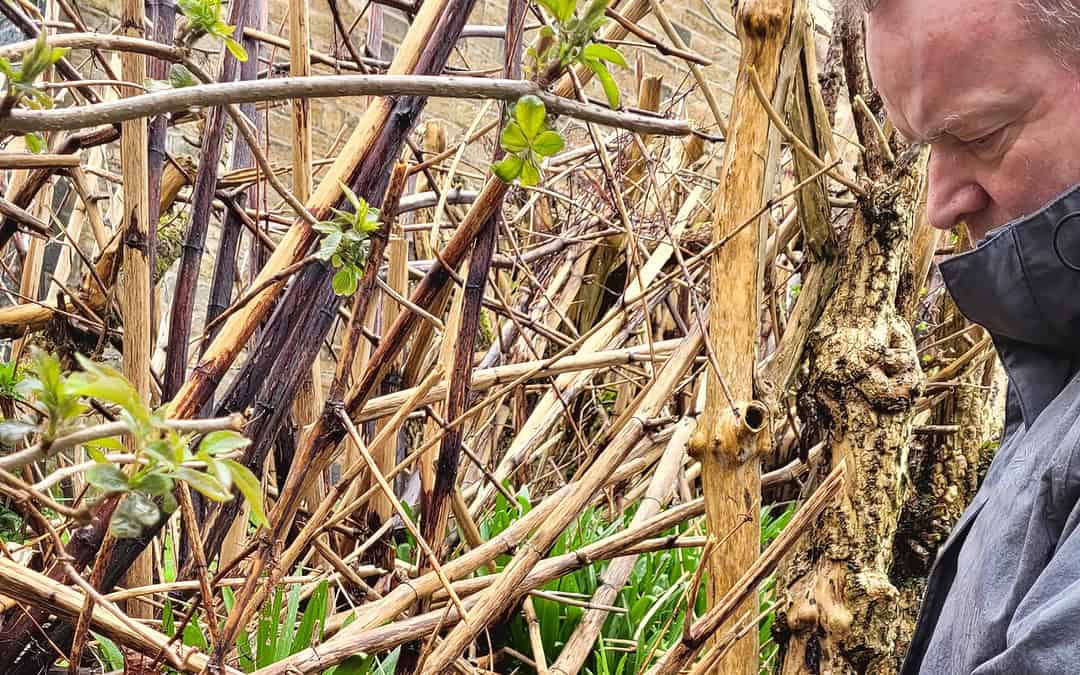 Is Japanese knotweed a problem in New Zealand? Japanese knotweed was introduced to New Zealand in the mid-19th century as an ornamental plant. It is thought to have been brought to the country by European settlers, who appreciated its attractive appearance and used it...
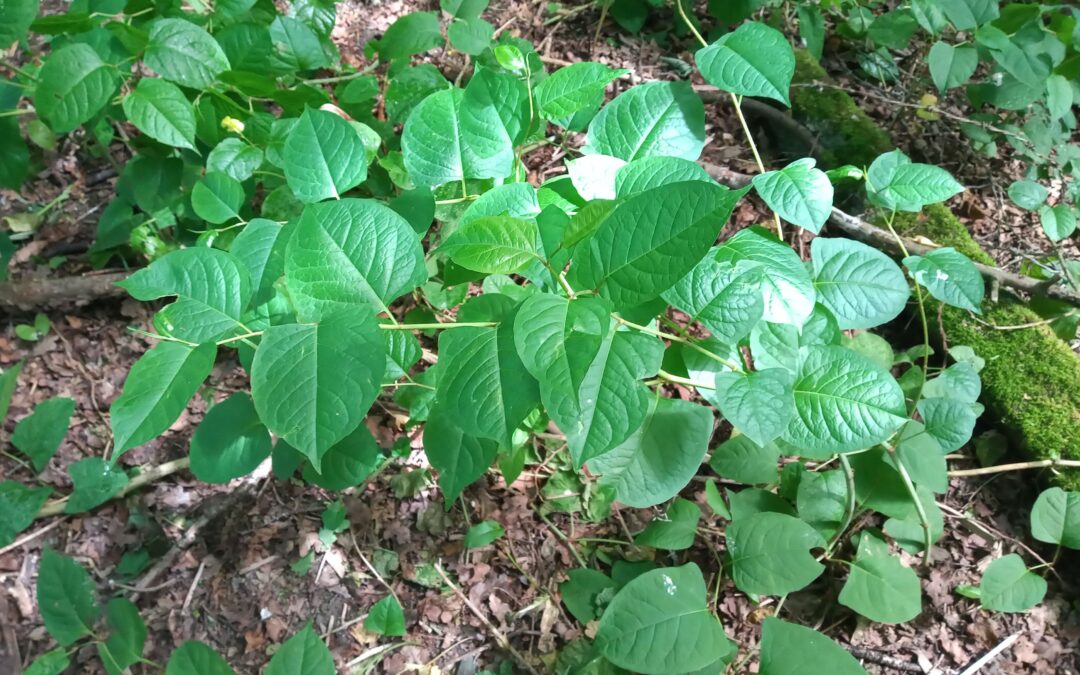 The Relationship Between Japanese Knotweed and Other Invasive Species Understand the relationship between Japanese Knotweed and other invasive species. Discover how these plants interact with one another and how they affect native habitats and ecosystems. Japanese...
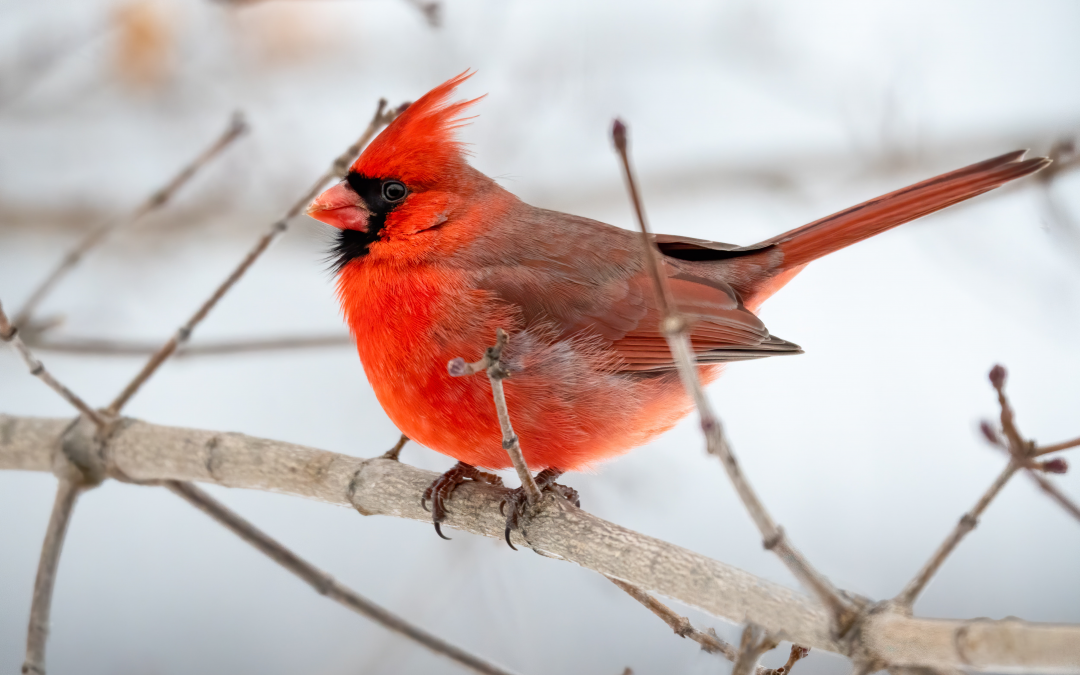 The Benefits of Japanese Knotweed for Birdwatching and Wildlife Observation Japanese Knotweed is not only a valuable tool for habitat restoration but also a valuable resource for birdwatching and wildlife observation. The plant’s dense growth provides excellent...
Japanese Knotweed Plus use cookies to improve your experience. We'll assume you're ok with this, but you can opt-out if you wish.AcceptReject Read More Cookies Policy