
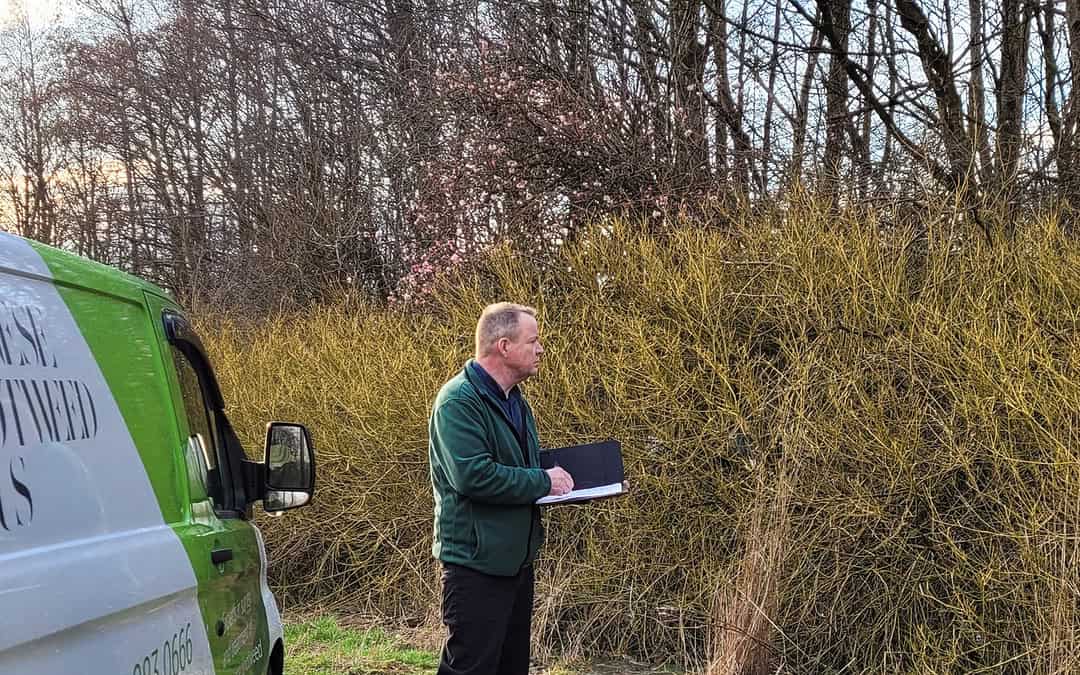
How Conveyancing Surveyors Can Avoid Missing Japanese Knotweed
Japanese knotweed creates serious problems during property transactions in the UK.
Therefore, surveyors must identify the plant during conveyancing inspections.
If a surveyor misses Japanese knotweed, buyers may face expensive treatment costs.
In some cases, legal disputes can also arise after the sale of the property.
Because of this risk, accurate identification remains essential during any property survey.
Why Japanese Knotweed Is a Serious Issue for Property Sales
Japanese knotweed is one of the most invasive plants in the United Kingdom.
The plant spreads quickly through an underground rhizome system.
Even small fragments can produce new growth.
As a result, the plant can spread rapidly across gardens and neighbouring land.
Japanese knotweed can also cause problems for property owners because:
-
It can damage patios, walls, and drainage systems.
-
It spreads aggressively across boundaries.
-
Mortgage lenders often require management plans.
-
The plant can reduce property value.
Because of these risks, lenders often request a specialist Japanese knotweed survey when the plant is suspected.
Why Conveyancing Surveyors Sometimes Miss Japanese Knotweed
Unfortunately, Japanese knotweed is sometimes overlooked during property inspections.
Several factors can cause this problem.
Seasonal Growth Changes
Japanese knotweed changes appearance throughout the year.
During winter, the plant enters dormancy.
Only brown, woody canes remain visible.
New buyers or surveyors may mistake these stems for dead garden plants.
Early Growth Can Be Difficult to Identify
Young Japanese knotweed shoots appear in early spring.
These shoots can look similar to other plants, including:
-
Russian vine
-
Dogwood
-
Himalayan honeysuckle
Without specialist training, identification becomes difficult.
Limited Time During Surveys
Many conveyancing surveys focus mainly on buildings.
Surveyors may only briefly inspect gardens or boundary areas.
As a result, invasive plants can sometimes remain unnoticed.
How Surveyors Can Avoid Missing Japanese Knotweed
Surveyors can reduce risk by following several simple steps.
Improve Training on Invasive Plants
Surveyors should understand the seasonal appearance of Japanese knotweed.
Training should include:
-
Spring shoots
-
Summer foliage
-
Autumn dieback
-
Winter canes
This knowledge greatly improves identification accuracy.
Inspect Boundary Areas Carefully
Japanese knotweed often grows near:
-
Garden fences
-
Retaining walls
-
Railway embankments
-
Riverbanks
Because of this, surveyors should check neighbouring land carefully.
Rhizomes can extend several metres beyond visible growth.
Recommend a Specialist Knotweed Survey
If there is any uncertainty, surveyors should recommend a specialist inspection.
A Japanese knotweed survey from a trained expert provides:
-
Accurate identification
-
Infestation mapping
-
Risk assessment
-
Treatment recommendations
This protects buyers, sellers, and lenders during the transaction.
The Role of PCA-Accredited Japanese Knotweed Specialists
In the UK, many specialist companies provide Japanese knotweed services.
However, professional standards remain very important.
Companies that belong to the Property Care Association (PCA) follow recognised industry guidance.
These specialists can provide:
-
Professional treatment plans
-
Ongoing monitoring programmes
-
Insurance-backed guarantees
Mortgage lenders often prefer reports from PCA-accredited contractors.
Why Early Identification Saves Money
Early detection makes Japanese knotweed much easier to control.
Small infestations often respond well to herbicide treatment programmes.
However, large infestations can require longer management plans.
For this reason, identifying the plant during a property survey can save thousands of pounds in future costs.
Japanese Knotweed Surveys from Japanese Knotweed Plus
At Japanese Knotweed Plus, we specialise in identifying and managing invasive plant species.
Our PCA-accredited surveyors carry out professional knotweed surveys across the UK.
Each survey includes:
-
A full site inspection
-
Infestation mapping
-
Risk assessment
-
Detailed written report
-
Treatment plan recommendations
This information helps property buyers, sellers, and lenders make informed decisions.
If you suspect Japanese knotweed on a property, arranging a specialist survey provides peace of mind.
Click the button below to check out my Google reviews.