
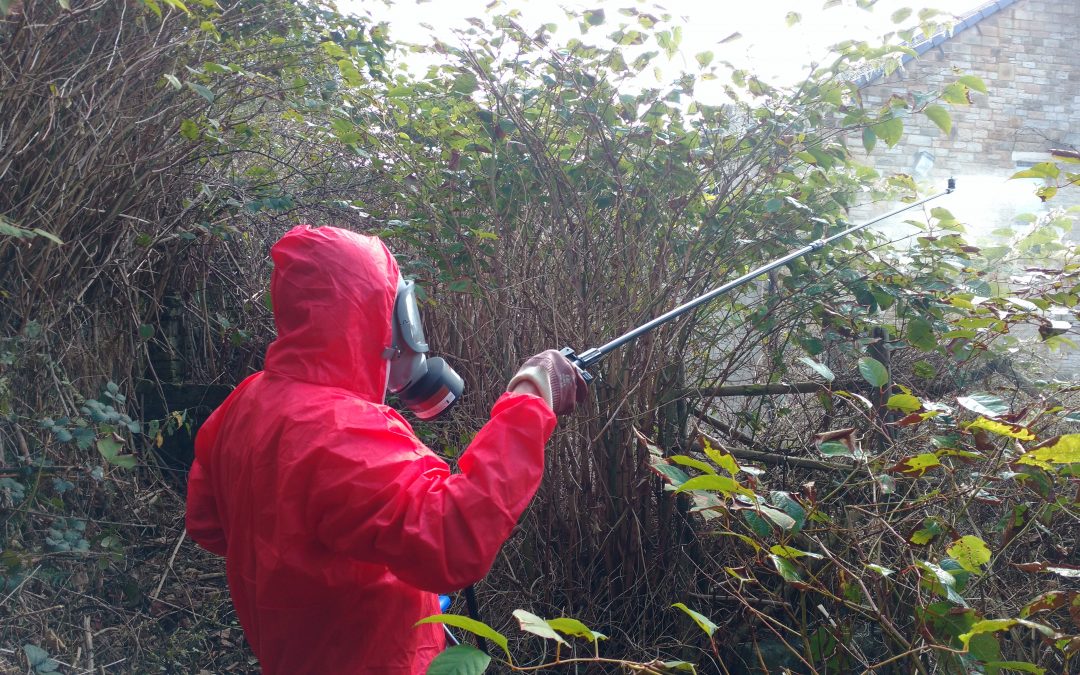
How Do Herbicides Work? Understanding the Mechanisms of Action
Herbicides are essential tools for weed control in agriculture and home gardening.
But how do Herbicides work? In this article, we explore the different mechanisms of action of herbicides and their effects on plants.
Weeds are a significant challenge for farmers and home gardeners alike. These unwanted plants compete with crops for water, nutrients, and sunlight, reducing yields and quality. Herbicides are chemical substances designed to control or kill weeds. They are widely used in agriculture, forestry, and landscaping to enhance crop growth and protect the environment. But how do herbicides work? In this article, we will explore the mechanisms of action of herbicides and their effects on plants.
How do Herbicides Work? Understanding the Mechanisms of Action
-
Selective Herbicides
Selective herbicides are chemicals that target specific plant species while leaving others unharmed. They are commonly used in agricultural settings where weeds must be controlled without damaging crops. Selective herbicides work by exploiting differences in plant biology. For example, some selective herbicides target broadleaf weeds while sparing grasses, while others target grasses while sparing broadleaf plants.
-
Non-selective Herbicides
Non-selective herbicides are chemicals that kill all plants they come into contact with. They are commonly used in industrial settings, such as construction sites and railroad tracks, where vegetation is unwanted. Non-selective herbicides work by inhibiting essential metabolic processes in plants, causing them to wither and die.
-
Contact Herbicides
Contact herbicides kill only the parts of the plant they come into contact with. They are also commonly used in home gardening and landscaping to control weeds in lawns and flowerbeds. Contact herbicides work by disrupting plant cell membranes, causing them to leak vital fluids and eventually die.
-
Systemic Herbicides
Systemic herbicides are chemicals absorbed by the plant and transported throughout its tissues, killing it from the inside out. They are commonly used in agriculture and forestry to control deep-rooted weeds that are difficult to eradicate by other means. Systemic herbicides work by inhibiting the production of essential enzymes in plants, causing them to wither and die.
-
Soil-applied Herbicides
Soil-applied herbicides are chemicals applied to the soil to prevent weed growth before weeds emerge. They are commonly used in agriculture and landscaping to reduce the need for frequent herbicide spraying. Soil-applied herbicides work by inhibiting weed seed germination or killing young plants before they can establish a root system.
FAQs:
Q: Are herbicides harmful to humans? A: Herbicides can harm humans if ingested, inhaled, or absorbed through the skin. However, when used properly, they pose minimal risk to human health.
Q: Can herbicides harm wildlife? A: Herbicides can harm wildlife if misused or applied in areas with sensitive species. However, herbicides pose minimal risk to wildlife when used according to label instructions.
Q: Can herbicides contaminate groundwater? A: Herbicides can contaminate groundwater if not applied according to label instructions or used in areas with permeable soils. However, when appropriately used, herbicides pose minimal risk to groundwater.
Herbicides are essential tools for weed control in agriculture and home gardening. They work by exploiting differences in plant biology, inhibiting crucial metabolic processes, or disrupting cellular membranes. By understanding the different mechanisms of action of herbicides, farmers and home gardeners can choose the right product for their specific needs and use it safely and effectively.
However, it is essential to note that herbicides should be used in accordance with the label instructions and with caution to minimise harm to humans, wildlife, and the environment. Using herbicides responsibly promotes healthy plant growth and improves crop yields while reducing the negative impact on our planet.
Understanding how herbicides work is essential for effective weed control in agriculture and home gardening. Selective, non-selective, contact, systemic, and soil-applied herbicides all have different mechanisms of action, and choosing the right product for the job is crucial. By using herbicides responsibly, we can protect our crops, promote healthy plant growth, and minimise harm to the environment.