
How to Ensure Your Property Is Knotweed-Free After Removal
Japanese knotweed is one of the most aggressive invasive plants in the UK.
It spreads through underground rhizomes and tiny fragments.
Because of this, removal alone does not guarantee long-term success.
Ongoing monitoring and correct treatment help stop regrowth.
This guide explains how to keep your property knotweed-free after removal.
Hire a Professional Japanese Knotweed Specialist
Professional treatment offers the safest long-term control.
Experienced surveyors understand the plant’s growth cycle and rhizome structure.
Specialists also follow UK environmental regulations.
They dispose of contaminated waste at licensed landfill facilities.
Most reputable companies provide a management plan and long-term guarantee.
Many lenders also request this documentation during property sales.
Professional treatment often includes:
-
Site survey and infestation mapping
-
Multi-year herbicide treatment plans
-
Excavation or root barrier installation where needed
-
Monitoring visits and written reports
-
Insurance-backed guarantees
These steps provide reassurance for homeowners and mortgage lenders.
Monitor the Area Regularly
Regular monitoring helps detect early regrowth.
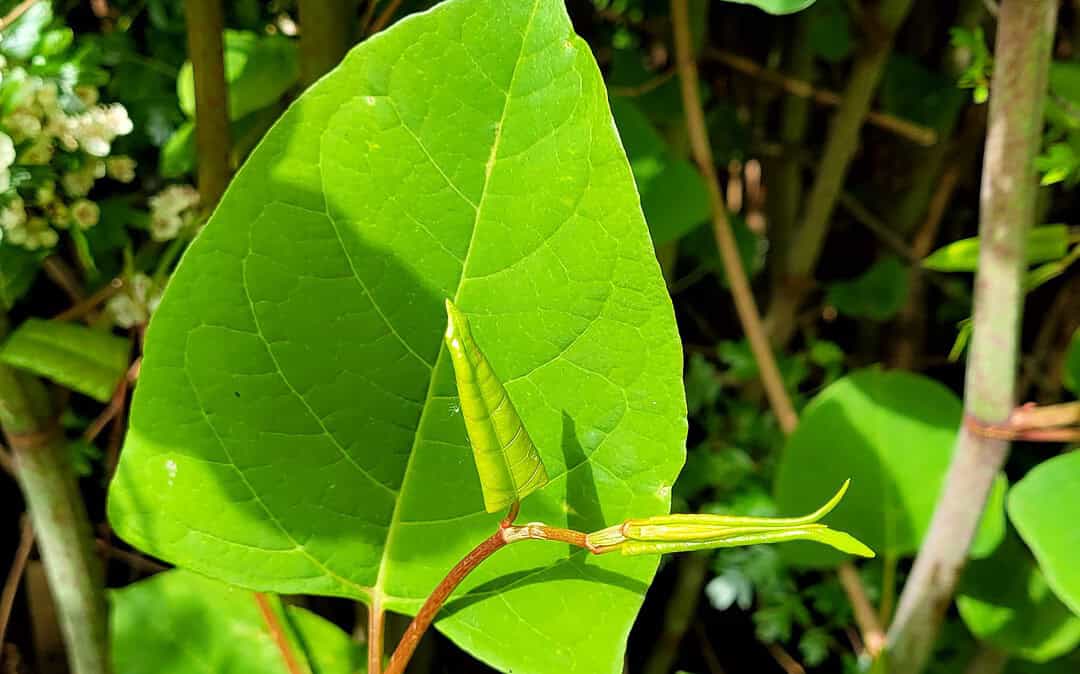
Japanese knotweed often reappears as small red or purple shoots in spring.
Early detection allows quick treatment before plants establish.
Check the treated area several times each growing season.
Look for:
-
Red or purple asparagus-like shoots
-
Rapid stem growth
-
Heart-shaped leaves forming on new canes
Act quickly if new shoots appear.
Remove Remaining Knotweed Material
Even small fragments can regrow into new plants.
Therefore, remove all visible stems, crowns, and rhizomes from the area.
Never compost Japanese knotweed waste.
Never place it in normal garden bins.
UK waste regulations treat knotweed as controlled waste.
Licensed carriers must transport contaminated material to approved landfill sites.
Professional contractors handle this process safely and legally.
Apply the Correct Herbicide Treatment
Herbicide treatment remains the most common control method in the UK.
Glyphosate-based herbicides often provide effective long-term control.
However, timing and dosage are critical.
Late summer and early autumn treatments often produce the best results.
During this period, nutrients move down into the rhizome system.
This movement helps the herbicide reach the underground roots.
Professional applicators hold the correct pesticide certifications.
They also follow UK environmental and safety regulations.
Install Preventive Root Barriers
Root barriers help prevent rhizomes from spreading into the surrounding soil.
Specialist membranes create a physical barrier underground.
These barriers often protect:
-
Building foundations
-
Garden boundaries
-
Neighbouring land
-
Development sites
Correct installation remains essential for long-term success.
Avoid Activities That Spread Knotweed
Many infestations spread during landscaping or construction work.
Moving contaminated soil can easily spread rhizome fragments.
Avoid:
-
Digging in previously infected areas
-
Moving soil without inspection
-
Dumping garden waste near waterways
-
Using contaminated machinery
Careful site management prevents new infestations.
Keep Records of Treatment and Monitoring
Documentation helps protect property value.
Mortgage lenders often request proof of treatment and monitoring.
Keep records such as:
-
Survey reports
-
Treatment plans
-
Site photographs
-
Monitoring notes
-
Insurance-backed guarantees
These records provide reassurance during property sales.
Final Thoughts
Successful Japanese knotweed removal requires long-term management.
Professional treatment, regular monitoring, and preventative measures protect your property.
These steps also reduce the risk of reinfestation.
Act early if you notice new growth.
☎ Need Advice About Japanese Knotweed?
If you suspect Japanese knotweed on your property, expert advice helps.
Call Stephen Singleton – PCA Accredited Surveyor
📞 07753 682333
Japanese Knotweed Plus Ltd provides surveys, treatment plans, and long-term guarantees across the UK.