
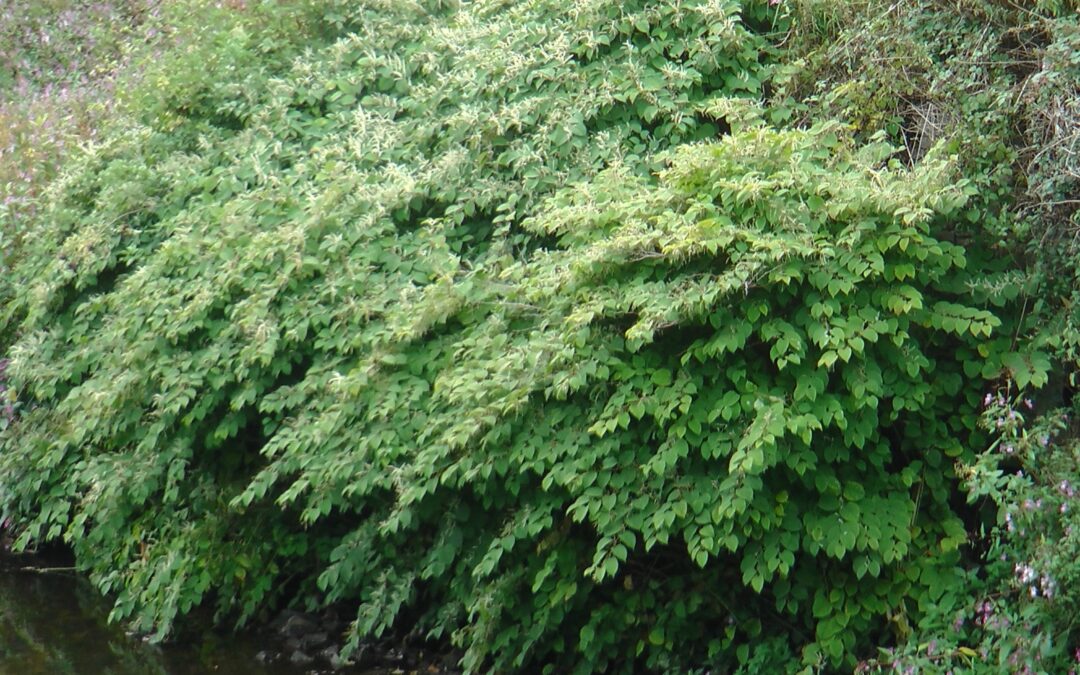
Discover the Benefits of Japanese Knotweed for Medicine and Agriculture
Learn how this plant has been used for medicinal purposes and how it can improve soil quality and reduce erosion.
Japanese Knotweed is a highly invasive plant species often considered a nuisance. This is due to its rapid growth and its ability to damage buildings and infrastructure. However, despite its reputation, Japanese Knotweed has many beneficial uses, particularly in medicine and agriculture. In this article, we’ll explore the benefits of Japanese Knotweed for these industries.
Japanese Knotweed and Medicine:
Japanese Knotweed has been used for medicinal purposes for centuries. The plant contains compounds shown to have anti-inflammatory, antioxidant, and anti-cancer properties. Japanese Knotweed has been used to treat various medical conditions, including rheumatoid arthritis, cardiovascular disease, and Lyme disease. In recent years, research has been
conducted to further explore the medicinal properties of Japanese Knotweed, with the hope of developing new treatments for various health conditions.
Japanese Knotweed and Agriculture:
In addition to its medicinal benefits, Japanese Knotweed has many positive effects on agriculture. The plant’s deep roots can improve soil quality by increasing organic matter and reducing soil erosion. This can lead to better soil structure, improved water retention, and increased nutrient availability for crops. Japanese Knotweed can also help reduce nitrogen pollution in waterways by absorbing nitrogen from the soil and reducing runoff.
To Conclude
While Japanese Knotweed is often considered a nuisance due to its invasive nature, it’s crucial to remember the importance of controlling its spread. However, it’s equally important to recognise this plant’s potential benefits, particularly in medicine and agriculture. Researchers hope to develop new treatments for various health conditions by exploring their medicinal properties. In agriculture, Japanese Knotweed can help improve soil quality, reduce erosion, and reduce nitrogen pollution. This balanced approach, acknowledging both the challenges and the potential, is critical to our continued research into the medicinal properties of Japanese Knotweed; researchers who hope to develop new treatments for various health conditions. In agriculture, Japanese Knotweed can help improve soil quality, reduce erosion, and reduce nitrogen pollution. While it’s essential to control the spread of this invasive plant, it’s also important to recognise its potential benefits and to continue researching its uses in medicine and agriculture.