
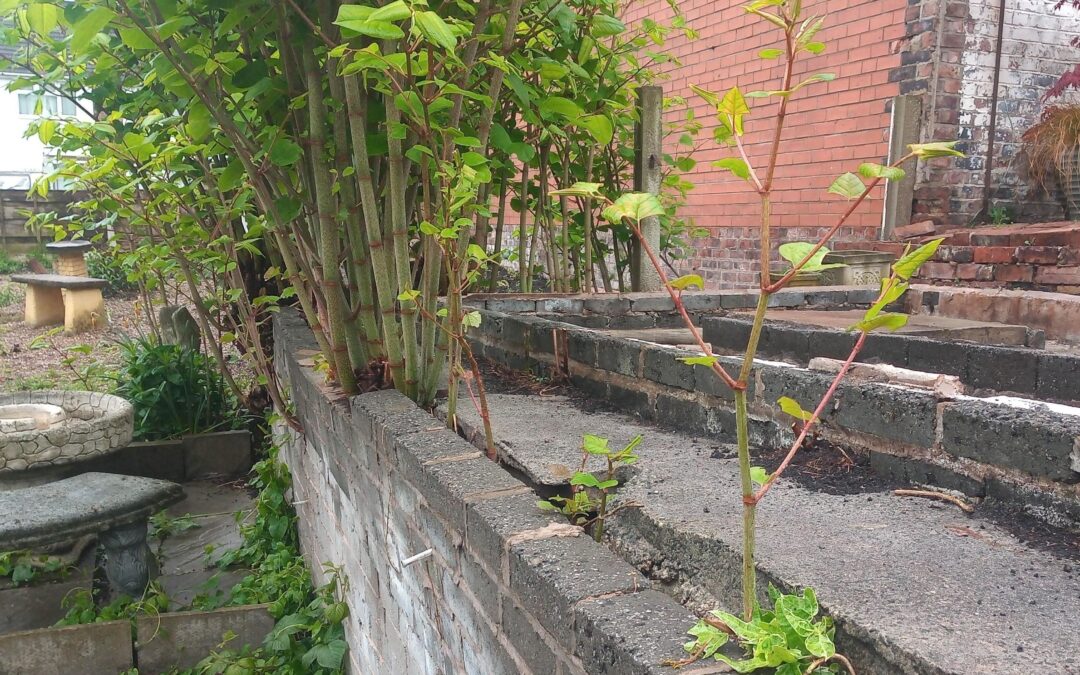
The History of Japanese Knotweed: How This Plant Became a Global Problem
Japanese knotweed (Fallopia japonica) is one of the most invasive plants in the world. Today, it spreads across Europe, North America, and many other regions.
However, the plant did not arrive accidentally. People introduced Japanese knotweed during the nineteenth century as an ornamental garden plant.
This article explains the history of Japanese knotweed and how it became a global problem.
Where Japanese Knotweed Originally Came From
Japanese knotweed is native to parts of Japan, China, and Korea.
In its natural habitat, the plant grows on volcanic slopes and disturbed ground. Local insects and plant competition naturally control its growth.
Because of these natural controls, the plant rarely dominates landscapes in its native range.
Introduction to Europe in the 1800s
Japanese knotweed first arrived in Europe during the mid-1800s.
The German botanist Philipp Franz von Siebold collected the plant while studying Japanese flora. He later introduced it to botanical gardens in Europe.
Gardeners quickly admired the plant for several reasons:
-
fast growth
-
attractive heart-shaped leaves
-
bamboo-like stems
-
ability to grow in poor soil
Because of these qualities, the plant became popular in gardens and estates across Britain and mainland Europe.
How the Plant Spread Across the UK
During the Victorian period, landowners widely planted Japanese knotweed.
It was often used for:
-
ornamental planting
-
stabilising railway embankments
-
erosion control along rivers
-
screening and garden boundaries
Unfortunately, the plant spreads aggressively through underground rhizomes.
Small fragments of root can grow into new plants. As a result, Japanese knotweed gradually escaped from gardens into the wild.
By the twentieth century, large infestations were appearing across the UK.
Global Spread of Japanese Knotweed
Japanese knotweed is now found across many parts of the world.
Major infestations occur in:
-
the United Kingdom
-
Ireland
-
mainland Europe
-
the United States
-
Canada
Human activity has played a major role in the plant’s spread.
Japanese knotweed often spreads through:
-
soil movement during construction
-
landscaping and garden waste
-
river systems carrying plant fragments
-
contaminated machinery and vehicles
Because the plant reproduces from rhizomes, even very small fragments can create new infestations.
Environmental Impact
Japanese knotweed forms dense stands that block sunlight and crowd out native vegetation.
This reduces plant diversity and alters local ecosystems.
The plant also grows along riverbanks. When stems die back during winter, exposed soil can increase erosion risk.
Impact on Property and Infrastructure
Japanese knotweed can also affect human structures.
The strong rhizomes can grow through gaps in paving, drainage systems, and lightweight structures.
For this reason, the presence of Japanese knotweed can affect:
-
property values
-
mortgage approvals
-
development projects
As a result, the plant now creates high economic costs across the UK.
Frequently Asked Questions
Is Japanese knotweed dangerous to people?
Japanese knotweed does not pose a direct health risk to humans. However, large infestations can damage structures and create property issues.
Can Japanese knotweed be controlled?
Yes. Professional treatment programmes can effectively control the plant. Most herbicide treatment plans require three to five years of management and monitoring.
Should Japanese knotweed be planted in gardens?
No. Planting Japanese knotweed is strongly discouraged. The plant spreads aggressively and can cause serious long-term problems.
Conclusion
The history of Japanese knotweed shows how a beautiful ornamental plant can become a serious environmental issue.
What began as a popular garden plant in the nineteenth century has now become a global invasive species.
Controlling its spread requires awareness, early identification, and professional management.
Suspect Japanese Knotweed?
If you believe Japanese knotweed may be growing on your property, professional advice can quickly confirm the problem.
Stephen Singleton
PCA-Accredited Japanese Knotweed Surveyor
📞 07753 682333
Early identification helps prevent the plant from spreading and protects your property value.