
The Impact of Giant Hogweed on the Local Ecosystem
Giant hogweed is an invasive plant species that has spread rapidly across North America and Europe in recent decades.
This toxic weed poses a serious threat to local ecosystems, disrupting the balance of plant life and negatively altering the natural environment. Understanding the impact of giant hogweed on local ecosystems is crucial in controlling and managing its spread.
What is Giant Hogweed?
Giant hogweed (Heracleum mantegazzianum) is an herbaceous perennial plant native to the Caucasus region of Eurasia. It was introduced to North America and Europe in the early 20th century as an ornamental garden plant. Still, it has since escaped cultivation and become a highly invasive species.
Giant hogweed can grow up to 14 feet tall and is easily recognisable by its large, umbrella-shaped clusters of white flowers and the big leaves that can reach up to five feet in diameter. Despite its impressive appearance, giant hogweed is a highly toxic plant that poses a serious risk to humans and the environment.
The Impact of Giant Hogweed on Native Plant Species
One of the most significant impacts of giant hogweed on local ecosystems is its ability to displace native plant species. Giant hogweed is highly competitive, and it quickly overtakes native plants. Reducing the diversity of plant life in an area and altering the ecosystem’s natural balance.
Giant hogweed also impacts the health of native plant species by shading out other plants, limiting the sunlight that reaches the ground, and reducing their growth. This can lead to a decline in overall plant biodiversity and a decrease in ecosystem quality.
The Impact of Giant Hogweed on Wildlife
In addition to impacting plant life, giant hogweed also affects the health and well-being of local wildlife. The plant’s toxic sap can cause skin irritation and other health problems for animals that come into contact with it. Additionally, the displacement of native plant species can limit the availability of food and shelter for wildlife in the area.
Giant hogweed can also affect the health of aquatic ecosystems by degrading water quality and altering habitats for marine plants and animals. The plant’s extensive root system can cause soil erosion and changes in water flow and quality, negatively affecting the health of local rivers, streams, and lakes.
Controlling the Spread of Giant Hogweed
Controlling and managing the spread of giant hogweed is crucial to reducing its impact on local ecosystems. Preventing its introduction into new areas is key, and it is important to avoid planting it in gardens or other areas where it can spread into the wild.
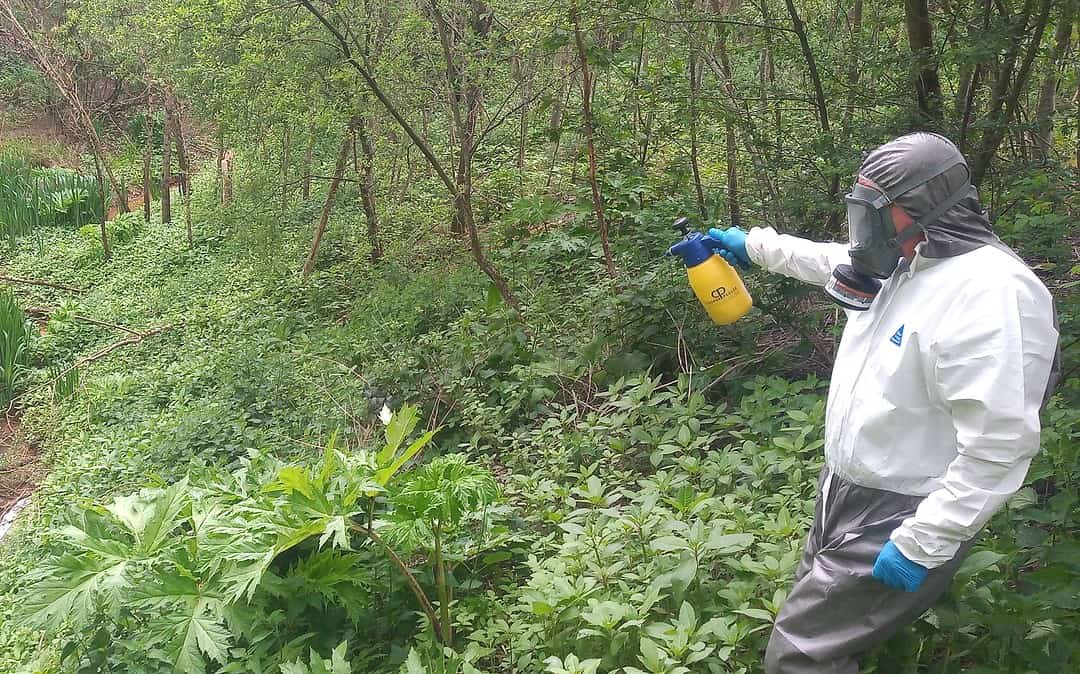
Removing existing infestations of giant hogweed is also important in controlling its spread. This should be done by trained professionals equipped to handle the plant safely and effectively. To prevent further spread, it is also important to properly dispose of any giant hogweed plants that are removed.
Giant hogweed is a highly invasive plant species that seriously threatens local ecosystems.
Its ability to displace native plant species, affect wildlife health, and alter the natural environment makes it a dangerous and damaging presence in our communities. By understanding the impact of giant hogweed on local ecosystems, we can work to control its spread and protect our environment for future generations. By taking the necessary precautions, educating the public, and working together, we can help mitigate the impact of giant hogweed and preserve the health and diversity of our local ecosystems.