
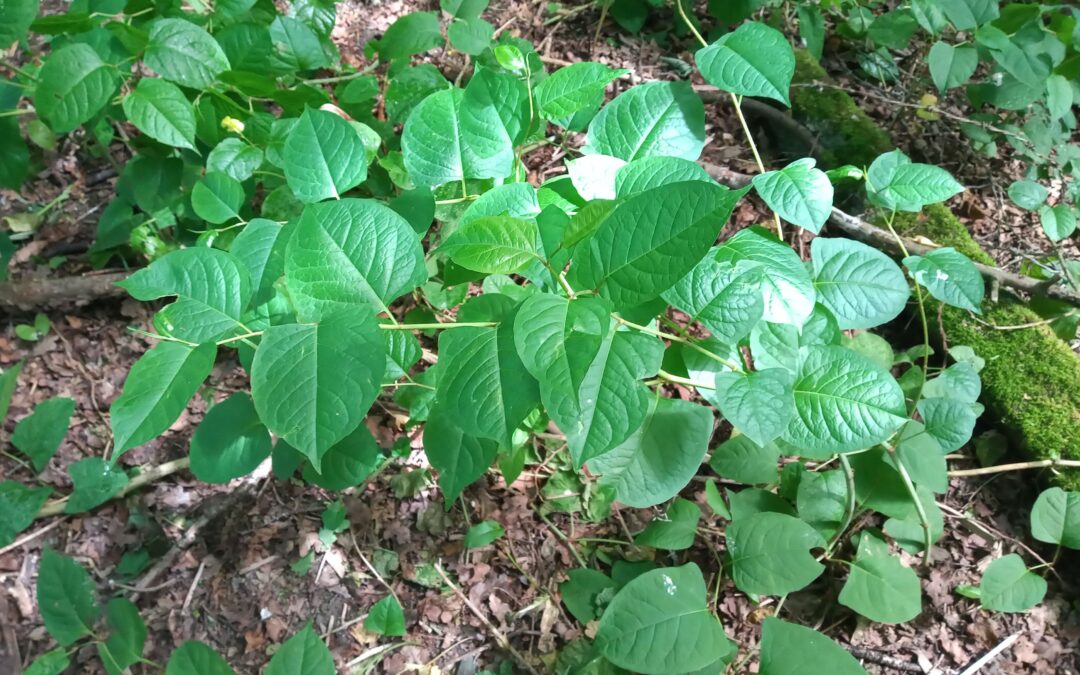
The Relationship Between Japanese Knotweed and Other Invasive Species
Understand the relationship between Japanese Knotweed and other invasive species. Discover how these plants interact with one another and how they affect native habitats and ecosystems.
Japanese Knotweed is one of the most invasive plant species in the world, but it’s not the only one.
In many areas, invasive species such as Japanese Knotweed grow and spread alongside one another, leading to complex interactions. In this article, we’ll explore the relationship between Japanese Knotweed and other invasive species and how they impact native habitats and ecosystems.
The Interactions Between Japanese Knotweed and Other Invasive Species:
Competition:
Japanese Knotweed is highly competitive, and its rapid growth and large biomass can outcompete other invasive species. In some cases, this competition can lead to a decline in the populations of other native species.
Synergistic Effects:
Furthermore, some invasive species can exhibit synergistic effects when growing in proximity. For example, the presence of Japanese Knotweed can create microhabitats that are ideal for other invasive species. Leading to increased growth and spread.
Impacts on Native Species:
Additionally, interactions between Japanese Knotweed and other invasive species can significantly affect native species and habitats. The presence of multiple invasive species can increase pressure on native species, leading to biodiversity loss and changes in ecosystem structure and function.
Understanding the Relationship Between Japanese Knotweed and Other Invasive Species:
Study of Invasive Plant Communities:
Scientists are studying the interactions among Japanese Knotweed and other invasive species and examining how these interactions affect native species. This research is important for understanding the impacts of invasive species on ecosystems and for developing effective control and management strategies.
Research on Control and Management Strategies:
Moreover, researchers are also studying ways to control and manage the spread of invasive species, including Japanese Knotweed. By understanding the relationships between invasive species, they can develop integrated management strategies. These will address multiple invasive species at once, reducing their impacts on native habitats and ecosystems.
The Economic Impact of Japanese Knotweed and Other Invasive Species
Understand the economic impact of Japanese Knotweed and other invasive species. Learn about the costs associated with control and management, as well as the impact on property values and the tourism industry.
Introduction:
Invasive species like Japanese Knotweed have significant impacts on the economy, from control and management costs to declines in property values and tourism. In this article, we’ll explore the economic impacts of Japanese Knotweed and other invasive species, and the steps that can be taken to mitigate them.
The Costs of Control and Management:
- Control and Management Programs: The costs associated with control and management programs can be substantial, with some estimates putting the cost of control for invasive species at billions of dollars each year. These costs include research, control efforts, and monitoring programs.
- Property Values: The presence of invasive species like Japanese Knotweed can also have a significant impact on property values. The growth of invasive species can damage buildings and infrastructure, reducing property values and making it difficult to sell or rent properties.
The Impact on the Tourism Industry:
Natural Areas:
Invasive species like Japanese Knotweed can hurt natural areas, reducing the quality of recreational and tourism opportunities. This can have a significant impact on the tourism industry, as visitors may choose to go elsewhere for their outdoor recreation and tourism activities.
Property Values:
The impact of invasive species on property values can also significantly affect the tourism industry. Properties with invasive species may be less desirable to potential visitors, leading to fewer visitors and a lower overall economic impact on the tourism industry.
Japanese Knotweed and other invasive species have a significant impact on the economy, from control and management costs to declines in property values and tourism impacts. To mitigate these impacts, it is important to invest in research and control programs and to raise awareness about the dangers of invasive species. By taking action, we can protect our natural habitats and reduce the economic impact of invasive species like Japanese Knotweed.