

What Does a Japanese Knotweed Survey Cover?
A Japanese Knotweed survey is a detailed assessment carried out by qualified, PCA-accredited specialists to determine whether Japanese Knotweed is present on a property and to understand the full extent of any infestation. Our surveys are designed to provide a clear and accurate picture of the situation, helping property owners make informed decisions about treatment and management.
A comprehensive Japanese Knotweed survey typically covers the following key areas:
Identification:
The survey begins by identifying the presence of Japanese knotweed on the property. The specialists will look for the plant’s characteristic features, including its distinctive heart-shaped leaves, bamboo-like stems, and white, frothy flowers.
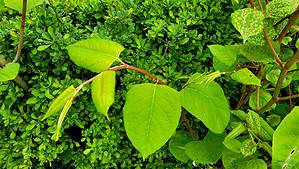
Japanese Knotweed leaves
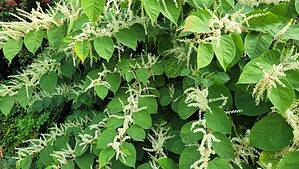
Japanese Knotweed in full flower
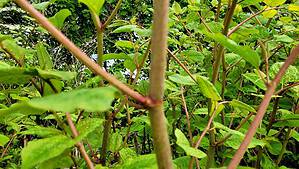
Knotweed stems
Extent of Infestation: The survey aims to determine the size and extent of the Japanese knotweed infestation. Specialists will assess the number of stands, the spread of rhizomes, and the density of the plant on the site.
Site Inspection:
Survey and Site Assessment
Our PCA-accredited surveyors will thoroughly inspect the entire property, including buildings, boundaries, gardens, and any open areas, to identify all locations affected by Japanese Knotweed. This detailed inspection ensures that no part of the infestation is overlooked.
Risk Assessment
A complete risk assessment is then carried out to evaluate the potential impact of Japanese Knotweed on the property and the surrounding environment. Key factors considered include:
-
Proximity to buildings and hard surfaces
-
The risk to neighbouring properties
-
Nearby watercourses or drainage systems
-
Sensitive habitats or protected areas
Understanding these risks helps shape the most effective management strategy.
Rhizome Depth Assessment
The depth and lateral spread of the rhizome system are crucial in predicting how the plant may behave. Our surveyors assess rhizome depth using visible indicators such as soil disturbance, crown formation, and past growth patterns. This information is crucial for evaluating potential structural risks and determining the most effective treatment approach.
Mapping the Infestation
A detailed site map is produced to show the exact location and extent of all Japanese Knotweed stands. This map forms the basis for future monitoring, treatment scheduling, and lender-compliant documentation.
Treatment Recommendations
Following the survey, our specialists will recommend the most suitable control methods. Options may include:
-
Herbicide treatment
-
Excavation and removal
-
On-site burial or encapsulation
-
A combined approach for more complex sites
These recommendations are tailored to the specific conditions of your property.
Legal Compliance
All recommendations comply with relevant UK legislation, including the Wildlife and Countryside Act 1981 and waste-transfer regulations. We ensure that all treatment and disposal methods comply with legally required standards and prevent the accidental spread.
Comprehensive Survey Report
You will receive a full Japanese Knotweed Survey Report, including:
-
Survey findings
-
Risk assessment
-
Mapping and photographs
-
Treatment recommendations
-
Notes on legal responsibilities
This report is suitable for homeowners, buyers, sellers, mortgage lenders, and insurers.
What Happens Next if Knotweed Is Found?
If the survey confirms the presence of Japanese Knotweed, the next stage involves creating a structured plan to control and mitigate the infestation. Here’s what you can expect:
Treatment Options
Based on the survey results, we will explain the available treatment methods. Common options include:
-
Herbicide application over multiple seasons
-
Excavation and removal of contaminated soil
-
Burial or cell-membrane encapsulation on site
-
Integrated approaches for more severe infestations
Each method is selected based on the site conditions and the client’s goals.
Management Plan Development
Our specialists will produce a detailed Japanese Knotweed Management Plan, outlining:
-
Recommended treatment methods
-
Timing and frequency of treatments
-
Monitoring schedules
-
Environmental and structural considerations
-
Steps required for mortgage compliance (if applicable)
This plan provides a clear roadmap from initial treatment to long-term control.
Legal Responsibilities
The management plan also ensures full compliance with legal obligations under the Wildlife and Countryside Act 1981 and environmental waste regulations. It includes measures to prevent the plant from spreading to neighbouring land or into the wild.
Cost Estimate:
How Much Does a Japanese Knotweed Treatment Plan Cost?
When you request a Japanese Knotweed treatment plan, you will receive a full cost estimate based on the recommended treatments and the overall management approach. Prices can vary depending on several factors, including:
-
The size and severity of the infestation
-
The treatment methods required
-
The accessibility and complexity of the site
On average, a five-year Japanese Knotweed herbicide treatment plan, including a ten-year insurance-backed guarantee, costs around £2,000.00. This price also includes the initial Japanese Knotweed survey report, providing a comprehensive package from start to finish.
One significant benefit of choosing Japanese Knotweed Plus Ltd is that no VAT is charged on treatment plans, as we are a small, family-run business. This can offer significant savings compared to larger national companies.
If you’re looking for reliable, affordable, and fully accredited Japanese Knotweed treatment, our plans provide excellent value and long-term reassurance.
Treatment Implementation
Once you agree to the management plan and cost estimate, the specialists will begin implementing the recommended treatments. Japanese Knotweed control often requires multiple applications over several growing seasons, particularly when using herbicide-based methods. Each visit will target the plant at the most effective times of the year to ensure maximum impact.
Ongoing Monitoring
After the initial treatments, regular monitoring is essential. Your specialist will carry out scheduled site visits to assess progress, check for any signs of regrowth, and confirm that the control measures are working as intended. Early detection of new shoots helps prevent the plant from re-establishing.
Reporting and Updates
Throughout the treatment period, you will receive clear updates and detailed reports outlining the work completed, the effectiveness of each treatment, and any adjustments made to the management plan. This ensures complete transparency and keeps you informed at every stage of the process.
Post-Treatment Responsibilities
Once treatment has been applied, you may need to follow specific post-treatment guidelines. These can include avoiding ground disturbance, preventing the movement of contaminated soil, and following correct disposal procedures. Proper handling of Japanese Knotweed waste is critical to preventing further spread and ensuring compliance with UK environmental regulations.
Insurance-Backed Guarantee
Many reputable Japanese Knotweed companies offer insurance-backed guarantees (IBGs), typically covering 5 or 10 years. These guarantees provide financial protection in the event of regrowth after the treatment programme has been completed. Choosing a treatment plan with an IBG offers additional reassurance—vital for mortgages, property sales, and long-term peace of mind.
Addressing a Japanese Knotweed problem promptly is essential to prevent further spread and avoid potential property damage. By engaging qualified invasive species specialists and following a well-designed management plan supported by ongoing monitoring, you can successfully bring the infestation under control and protect your property for the future.