
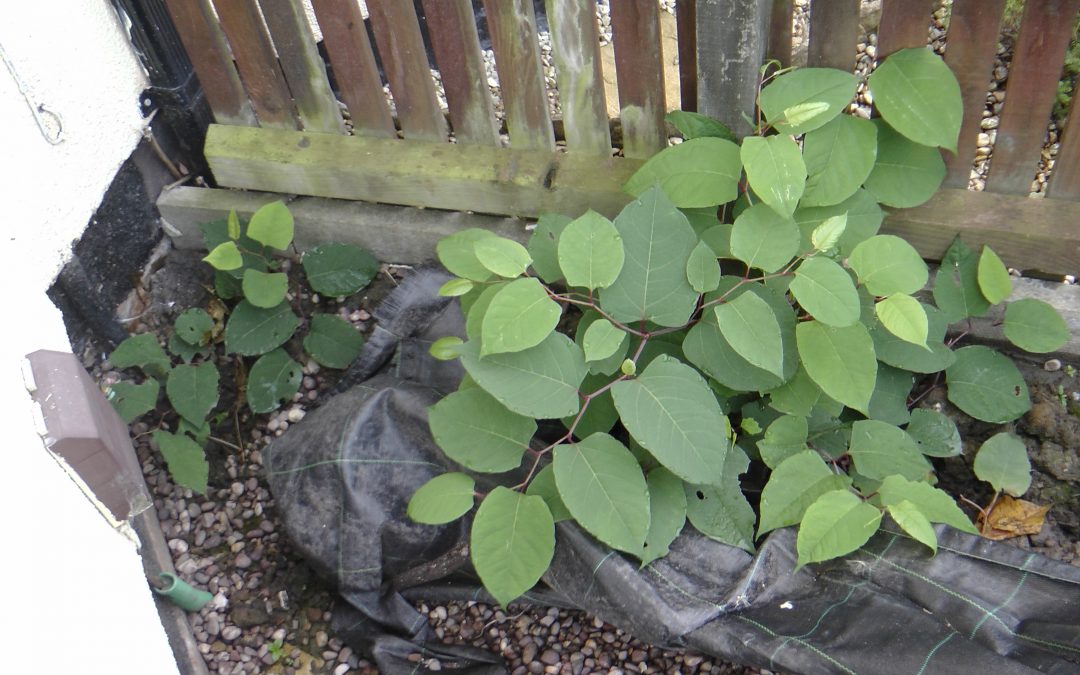
How Long Does It Take to Eradicate Japanese Knotweed?
If you’ve discovered Japanese knotweed on your property, you’ll naturally wonder:
“How long does it take to get rid of Japanese knotweed?”
The truth is simple: removing Japanese knotweed takes time. Due to its aggressive growth and extensive rhizome (root) system, the process typically requires several years of treatment and monitoring. It isn’t a quick job, and rushing it almost always leads to regrowth.
In this guide, you’ll learn:
-
How long Japanese knotweed treatment usually take
-
How do different control methods affect the timeline?
-
What factors speed up or delay eradication
-
Why hiring a specialist dramatically improves results
What Is Japanese Knotweed and Why Is It Hard to Eradicate?
Japanese knotweed (Fallopia japonica) was introduced to the UK in the 19th century. Since then, it has spread rapidly and become one of the most invasive plants in the United Kingdom.
It’s hard to eradicate because:
-
It grows extremely fast during the growing season.
-
It spreads through a strong underground rhizome network.
-
Even tiny root fragments can grow into new plants.
-
It outcompetes native plants and damages structures
As a result, Japanese knotweed removal almost always requires a carefully planned, long-term strategy rather than a one-off treatment.
So, How Long Does It Take to Eradicate Japanese Knotweed?
In most domestic situations, a realistic timeline looks like this:
-
3–5 years of herbicide treatments and monitoring
-
Followed by additional long-term inspections to confirm no regrowth
Although excavation can speed things up on development sites, you still need ongoing monitoring to make sure the plant doesn’t return.
Several factors influence the overall timeframe.
Key Factors That Influence the Eradication Timeline
1. Infestation Size and Age
Infestation size plays a significant role. Smaller, newer patches respond much faster to treatment. In contrast, large and long-established infestations have deeper and more extensive rhizomes, which require longer treatment times.
Simply put:
The older the knotweed, the longer the treatment plan will be.
2. Control Methods Used
Different treatment methods significantly affect the timeline.
Herbicide Treatment (Most Common for Homeowners)
Professionals apply herbicides directly to the stems and leaves of the target plants. The plant then transports the product into the rhizomes, which gradually weakens the system.
Because of this process:
-
Treatments often occur once or twice a year.
-
Late summer or autumn applications work exceptionally well.
-
Multiple seasons of treatment are necessary.
This explains why many treatment plans run for around five years.
Excavation and Removal
Excavation involves physically digging out the rhizomes and contaminated soil. This method works well on development sites where quick access is essential. However, it:
-
Causes more disruption
-
Costs more
-
Requires strict waste-handling procedures
Even after excavation, you still need regular monitoring, as leftover fragments can regrow.
Burial or On-Site Relocation
Some sites bury contaminated soil at depth. While this can be effective, it demands:
-
Careful preparation
-
Long-term monitoring
-
Strict depth controls
If rhizomes sit too close to the surface, the knotweed will come back.
3. Site Conditions
Environmental conditions influence both growth and treatment success. For example:
-
Soil type
-
Moisture levels
-
Sun or shade
-
Local weather patterns
If the site naturally favours knotweed growth, expect a longer treatment period.
4. Following the Management Plan
A professional management plan only works if you follow it. Treatment often takes longer when people:
-
Miss scheduled herbicide visits
-
Disturb the soil without guidance.
-
Cut or strim knotweed (which spreads fragments)
-
Ignore restrictions around digging, landscaping or access
By sticking to the plan, you dramatically reduce the risk of extended treatment.
5. Ongoing Monitoring and Maintenance
Even when visible growth stops, monitoring must continue. Regular inspections:
-
Detect new shoots early.
-
Allow fast follow-up treatments.
-
Provide clear evidence that the knotweed is under control
Without this step, many homeowners assume the knotweed has died—only to see it reappear later.
6. External Factors That Can Delay Eradication
Several outside issues can also slow progress, such as:
-
Nearby infestations are spreading onto your land.
-
Incorrect disposal of contaminated soil
-
Missed seasonal treatment windows
-
Frequent changes to treatment methods
-
Poor-quality herbicide products
These challenges highlight why using an experienced knotweed specialist is so important.
The Typical 5-Year Japanese Knotweed Treatment Plan
A well-managed treatment plan usually lasts around five years and includes the following steps:
1. Initial Survey and Assessment
A specialist will:
-
Confirm the presence of knotweed.
-
Assess its age and size.
-
Map the affected areas.
-
Recommend effective control methods.
2. Management Plan Development
Your written management plan outlines:
-
Treatment methods (herbicide, excavation, or both)
-
A multi-year treatment schedule
-
Monitoring visits
-
Any documentation required for mortgage lenders
3. Herbicide Treatment Programme
During the growing season, herbicides are applied to the plants. The knotweed absorbs the treatment and carries it to the roots.
Because the rhizome system is so strong, multiple treatments over several years are essential.
4. Monitoring and Repeat Visits
Regular inspections allow specialists to:
-
Catch regrowth quickly
-
Apply additional treatments
-
Track progress with detailed records and photos.
5. Physical Removal (Where Necessary)
On some sites, especially where building works are planned, excavation may be required. This process is labour-intensive and must comply with strict regulations.
6. Safe Disposal
All contaminated material must be taken to a licensed facility or buried on-site under controlled conditions. This step prevents accidental spread.
7. Final Assessment and Long-Term Monitoring
After the primary treatment phase:
-
A final inspection confirms results.
-
Soil tests may be carried out.
-
Further monitoring ensures the knotweed does not return.
Can the Treatment Period Be Shortened?
Yes—sometimes. However, it depends on:
-
Property type
-
Budget
-
Planned construction timescales
-
Willingness to accept disruption
There’s always a balance between speed, cost and long-term security. Rushed or poorly planned removal usually leads to regrowth and higher costs later.
Why Professional Help Matters
DIY Japanese knotweed removal often makes the situation worse. Disturbing the soil or cutting the plant can spread rhizomes and create new infestations. It also fails to meet the requirements of most mortgage lenders.
A qualified invasive species specialist will:
-
Use proven methods
-
Apply professional-grade herbicides
-
Time treatments correctly
-
Provide a clear management plan.
-
Supply documentation for lenders and solicitors
-
Protect your property value.
With expert help, you reduce the risk of regrowth and keep the treatment timeline as short as possible.
Need Expert Advice on Japanese Knotweed Eradication?
Eradication times vary from site to site, but with the right management plan, consistent treatment and professional monitoring, you can control Japanese knotweed effectively.
For clear, practical advice tailored to your property, get in touch.
📞 Contact Stephen on 07753 682333 for expert Japanese knotweed treatment and management.
👉 Click the button below to check out my Google reviews.