
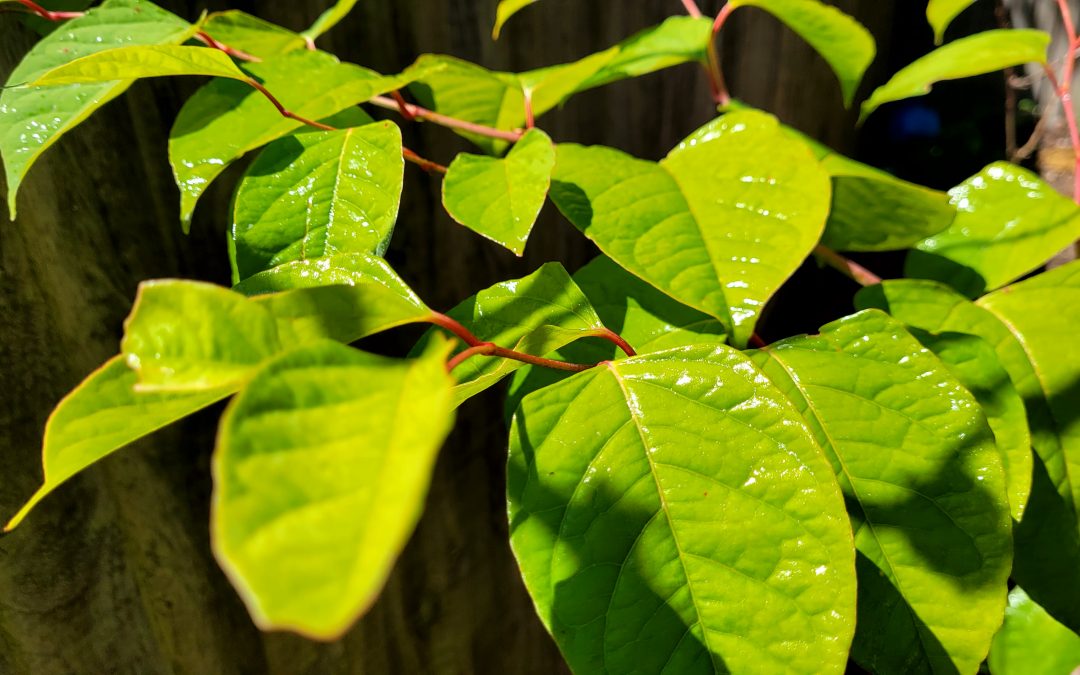
Japanese Knotweed Used in Medicine: Traditional Uses, Resveratrol & Safety
Quick Navigation
• <a href=”#what-is-japanese-knotweed”>What is Japanese knotweed</a>
• <a href=”#traditional-medicinal-use”>Traditional medicinal uses</a>
• <a href=”#resveratrol”>Resveratrol and health research</a>
• <a href=”#safety-risks”>Safety and medical risks</a>
• <a href=”#uk-law”>UK legal responsibilities</a>
Japanese knotweed used in medicine has a long history in traditional healing systems, particularly in Asia.
Although widely known today as an invasive plant, Japanese knotweed was historically valued for its medicinal compounds.
This guide explains how Japanese knotweed has been used in medicine, the role of resveratrol, modern research findings, and important safety considerations.

Introduction: More Than an Invasive Plant
Japanese knotweed is widely known for its property-damaging and rapid-spreading properties.
However, it also has a long history in traditional medicine.
For centuries, practitioners in Asia used Japanese knotweed for health support.
Today, scientists continue to study its medicinal compounds.
This article explores Japanese knotweed used in medicine, its traditional roots, modern research, and safety concerns.
What Is Japanese Knotweed?
Japanese knotweed (Reynoutria japonica) is a herbaceous perennial native to East Asia.
It grows vigorously and spreads through underground rhizomes.
Although invasive in the UK, it historically served medicinal and culinary roles.
Traditional systems valued the plant for its potent root compounds.
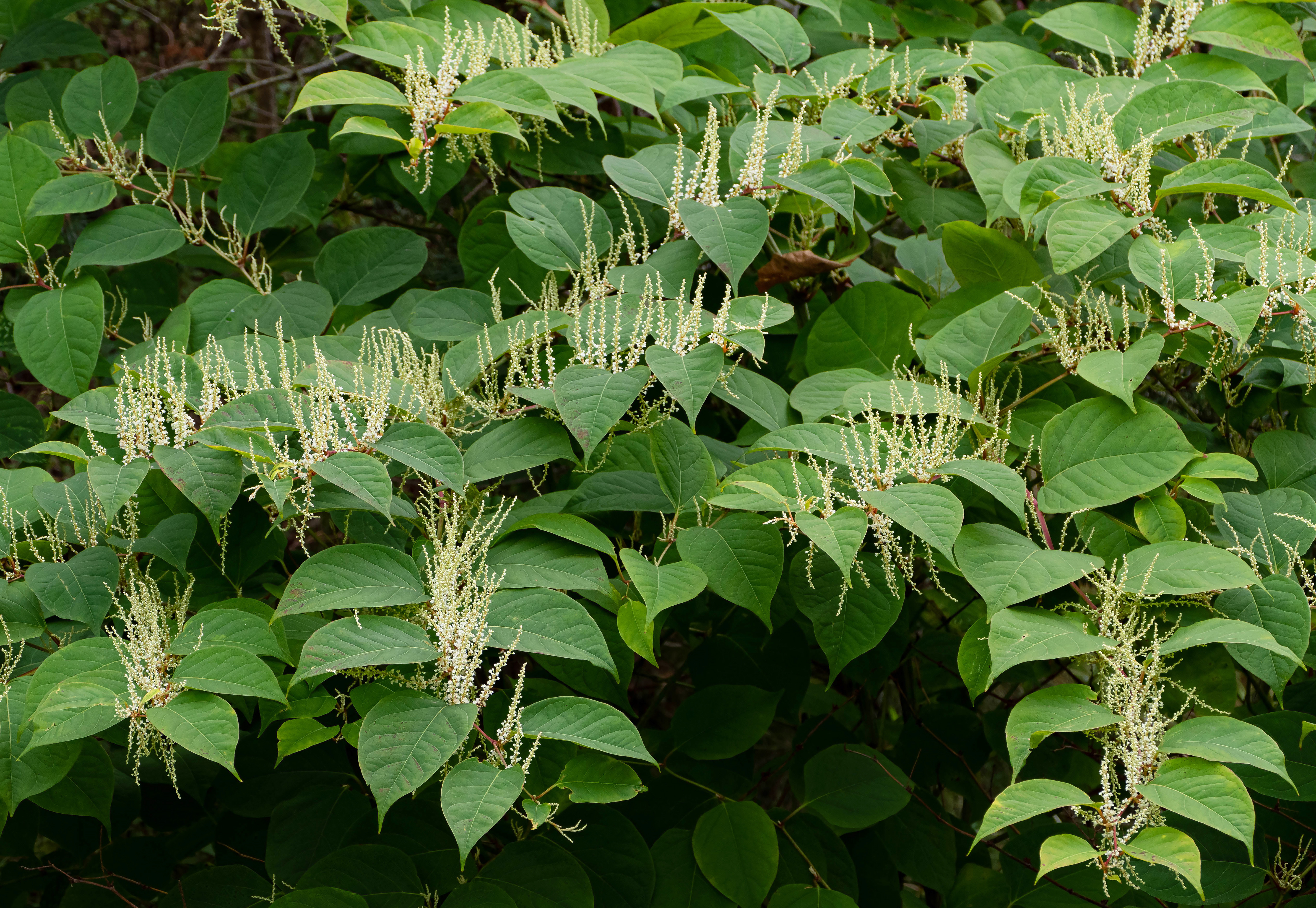
Traditional Medicinal Use of Japanese Knotweed
In Traditional Chinese Medicine (TCM), Japanese knotweed root is called Hu Zhang.
Practitioners have used Hu Zhang for hundreds of years.
Traditionally, it was believed to:
-
Promote healthy blood circulation.
-
Clear internal heat
-
Support liver and spleen function.
-
Help resolve inflammation and toxicity.
Additionally, herbalists used it for respiratory issues, skin conditions, and digestive discomfort.
Which Part of Japanese Knotweed Is Used Medicinally?
T The root, also known as the rhizome, is the primary medicinal part.
Harvest traditionally took place in autumn.
At that time, energy concentrates in the underground system.
This increases compound density and potency.
The dried root was commonly prepared as:
-
Decoctions
-
Teas
-
Tinctures
-
Powdered extracts
Resveratrol and Japanese Knotweed
Japanese knotweed is one of the richest natural sources of resveratrol.
Resveratrol is a plant compound also found in grapes and red wine.
However, Japanese knotweed contains much higher levels.
For this reason, many supplements source resveratrol from knotweed.
Research suggests resveratrol may support:
-
Antioxidant activity
-
Anti-inflammatory processes
-
Cardiovascular health
-
Cellular protection
You can explore published research through PubMed.
Other Active Compounds Found in Japanese Knotweed
In addition to resveratrol, Japanese knotweed contains:
-
Polydatin
-
Emodin
-
Quercetin
-
Various flavonoids
Together, these compounds contribute to interest in Japanese knotweed used in medicine.
However, most studies remain laboratory-based.
Modern Research into Japanese Knotweed Medicinal Uses
Anti-Inflammatory and Antioxidant Research
Laboratory studies suggest Japanese knotweed extracts may reduce inflammation.
They may also help neutralise oxidative stress.
These effects support general cellular health.
Nevertheless, human clinical evidence remains limited.
Cardiovascular Research
Some studies indicate resveratrol may help support blood vessel function.
This may benefit circulation and heart health.
However, results vary.
Large human trials are still required.
Cancer and Cell Studies
Early laboratory research suggests knotweed extracts may affect certain cancer cells.
These findings are preliminary and not clinical treatments.
Human evidence remains insufficient.
Digestive Health Research
Some studies suggest protective effects on stomach lining cells.
Again, this research is largely experimental.
How Japanese Knotweed Is Used Today
Today, Japanese knotweed root appears in:
-
Capsules
-
Liquid extracts
-
Combined herbal supplements
Modern processing improves dosage consistency.
Even so, regulation varies widely.
Japanese Knotweed and UK Legal Responsibilities
Japanese knotweed is a controlled invasive species in the UK.
Harvesting or disturbing it can cause illegal spread.
Medicinal discussion does not encourage harvesting.
Control and disposal must follow UK law.
For full guidance, see Japanese knotweed legal responsibilities in the UK.
Frequently Asked Questions
Is Japanese knotweed used in modern medicine?
Japanese knotweed is researched but not approved as a mainstream medical treatment.
What makes Japanese knotweed medicinally valuable?
Its high resveratrol content attracts scientific interest.
Is Japanese knotweed safe as a supplement?
Safety depends on dosage, health status, and medical advice.
Can Japanese knotweed be harvested in the UK for medicine?
No. Harvesting risks spreading an invasive species.
Key Takeaways
-
Japanese knotweed used in medicine has a long traditional history
-
The root, Hu Zhang, is the primary medicinal part
-
Resveratrol is the most studied compound
-
Scientific evidence remains limited
-
Medical interest must never encourage plant spread
⚠️ Medical and Safety Disclaimer
This article is for educational purposes only.
It does not provide medical advice, diagnosis, or treatment.
Always consult a qualified healthcare professional before using herbal supplements.
This is especially important if you take medication or have existing health conditions.
This content does not encourage harvesting or cultivating Japanese knotweed.
Conclusion
Japanese knotweed used in medicine sits at the intersection of traditional knowledge and modern research.
Its bioactive compounds continue to attract scientific attention.
However, strong clinical evidence remains limited.
Responsible discussion, regulation, and caution remain essential.
Safety and Risks
Despite traditional use, Japanese knotweed is not approved as a medical treatment.
Important considerations include:
-
Limited human clinical trials
-
Possible medication interactions
-
High oxalic acid content
-
Unsuitability for long-term use
If you are concerned about health risks, read is Japanese knotweed dangerous to humans.
People with kidney conditions should be particularly cautious.