
Why Is Japanese Knotweed Such a Problem in the UK?
Japanese knotweed is one of the most invasive plants in the United Kingdom.
It spreads quickly, damages property, and threatens native ecosystems.
Originally introduced as an ornamental plant in the 19th century, Japanese knotweed has since escaped gardens and spread widely across the UK. Today, it causes serious environmental and financial problems for homeowners, developers, and local councils.
Understanding why Japanese knotweed spreads so aggressively helps explain why professional control is often required.
What Is Japanese Knotweed?
Japanese knotweed (Fallopia japonica) is a fast-growing perennial plant native to East Asia.
It originally grows in Japan, China, and Korea.
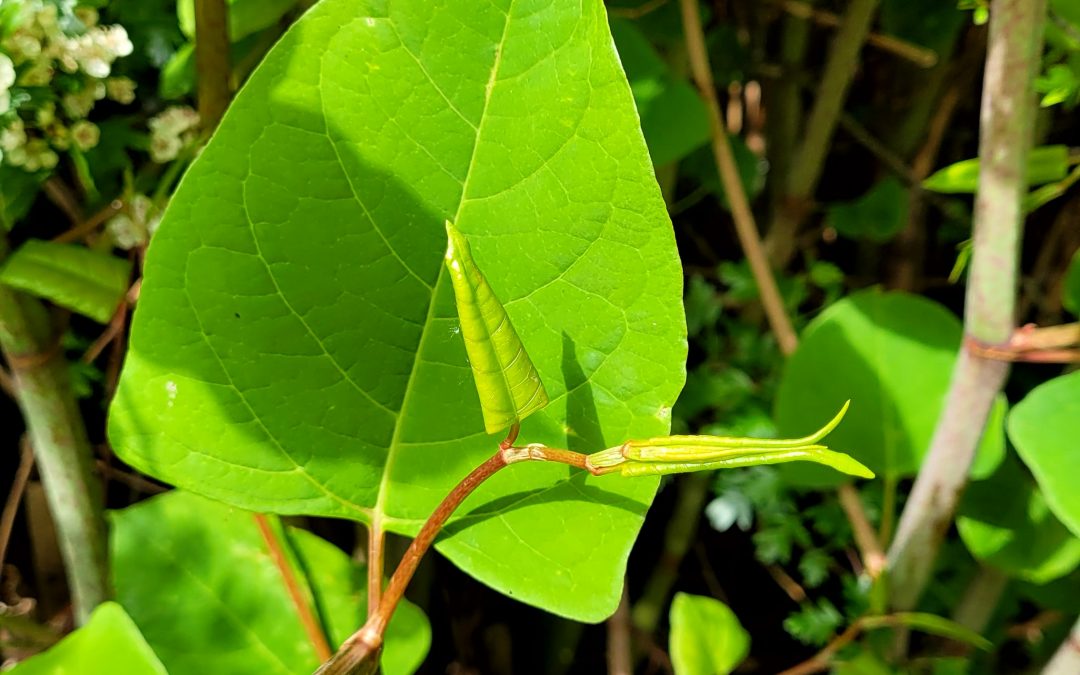
The plant produces tall bamboo-like stems, heart-shaped leaves, and small clusters of white flowers in late summer.
However, its most dangerous feature lies underground. Japanese knotweed grows from an extensive rhizome system that spreads beneath the soil.
Even a tiny rhizome fragment can produce a completely new plant.
Because of this ability, Japanese knotweed spreads quickly when soil or plant material moves.
Why Japanese Knotweed Spreads So Easily in the UK
Japanese knotweed thrives in the British climate. Several environmental factors allow the plant to grow rapidly across the country.
Temperate Climate
The UK climate provides mild temperatures and consistent rainfall.
These conditions closely match the plant’s natural environment in East Asia.
Regular Rainfall
Frequent rainfall keeps soils moist throughout the growing season.
This steady moisture supports strong root development and rapid growth.
Disturbed Soil
Japanese knotweed colonises disturbed ground very quickly.
Construction sites, railway lines, riverbanks, and building projects create ideal growing conditions.
Strong Rhizome System
The underground rhizomes store energy and nutrients.
These rhizomes allow the plant to survive winter and regrow every spring.
Because of this system, cutting the plant rarely solves the problem.
What Is the Natural Enemy of Japanese Knotweed?
In its native habitat in Japan, Japanese knotweed does not behave as an invasive plant.
This is because several natural enemies keep its growth under control.
These include:
-
Specialist insects
-
Plant pathogens
-
Natural herbivores
These organisms evolved alongside the plant and naturally regulate its population.
However, when Japanese knotweed arrived in the UK, these natural controls were absent.
Without natural enemies, the plant quickly spread across the landscape.
The Japanese Knotweed Psyllid
Scientists have researched biological control to manage Japanese knotweed.
One promising insect is the Japanese knotweed psyllid (Aphalara itadori).
This tiny sap-feeding insect originates from Japan and feeds only on Japanese knotweed.
Researchers introduced the psyllid into controlled environments to test its ability to weaken knotweed plants.
Early trials showed that the insect can reduce plant growth and limit reproduction.
However, biological control requires careful testing to avoid harming native plants or wildlife.
Currently, this method remains experimental in the UK.
Do Animals Eat Japanese Knotweed?
Most animals avoid Japanese knotweed.
The plant contains oxalates and tannins, which reduce its nutritional value and make it less palatable to herbivores.
These compounds may also cause digestive problems for grazing animals.
As a result, wildlife usually prefers native plants instead.
In rare cases, animals may eat young knotweed shoots when other food sources are scarce.
However, natural grazing does not control knotweed infestations.
Why Japanese Knotweed Causes Problems for Property
Japanese knotweed is widely known for the problems it causes to buildings and infrastructure.
The plant can grow through:
-
cracks in concrete
-
paving slabs
-
retaining walls
-
drainage systems
Although it rarely breaks solid foundations, it exploits existing weaknesses in structures.
This aggressive growth can lead to expensive repair work.
Because of this risk, many mortgage lenders require a Japanese knotweed management plan before approving property loans.
Environmental Damage Caused by Japanese Knotweed
Japanese knotweed also causes serious ecological damage.
Dense stands of knotweed can dominate riverbanks, roadsides, and woodland edges.
These dense colonies block sunlight and prevent native plants from growing.
Over time, biodiversity declines because fewer plant species survive in the area.
When knotweed dies back in winter, bare soil remains exposed.
This exposed soil increases the risk of riverbank erosion and habitat loss.
How Japanese Knotweed Spreads
Japanese knotweed rarely spreads through seeds in the UK.
Instead, it spreads mainly through rhizome fragments.
These fragments move through several common activities.
Soil Movement
Moving contaminated soil during landscaping or building work often spreads knotweed.
Machinery and Equipment
Excavators, diggers, and tools can carry rhizome fragments between sites.
Waterways
Flooding and river movement can transport plant fragments downstream.
Garden Waste
Improper disposal of knotweed cuttings can create new infestations.
Because of this, Japanese knotweed waste must be handled carefully.
Japanese Knotweed Control Methods
Effective Japanese knotweed control requires a structured management approach.
Professional treatment usually combines several methods.
Herbicide Treatment
Glyphosate-based herbicides are the most common treatment.
These chemicals travel through the plant and reach the underground rhizomes.
Late summer and early autumn provide the best treatment window.
During this period, the plant moves nutrients down into the rhizome system.
Multiple treatments are usually required over several growing seasons.
Excavation
Excavation removes contaminated soil and rhizomes.
However, this method requires specialist equipment and careful waste disposal.
Any remaining rhizome fragment can cause regrowth.
Because of this risk, excavation must follow strict waste regulations.
Long-Term Monitoring
Japanese knotweed treatment requires patience.
Even after treatment, small fragments may remain in the soil.
Regular monitoring ensures that any regrowth is treated quickly.
Many treatment plans last five years or more.
Why Professional Treatment Is Recommended
Japanese knotweed treatment often involves legal responsibilities and environmental regulations.
Professional surveyors understand how to:
-
Identify the plant accurately.
-
Assess the extent of infestation.
-
Apply herbicide safely
-
create long-term management plans
Professional reports also help satisfy mortgage lenders and property buyers.
Without proper documentation, selling a property with knotweed can become difficult.
Final Thoughts
Japanese knotweed remains one of the UK’s most challenging invasive plants.
Its aggressive growth, deep rhizome system, and lack of natural enemies allow it to spread quickly.
However, with early identification and professional management, the plant can be controlled effectively.
If you suspect Japanese knotweed on your property, seeking expert advice promptly can prevent more serious problems in the future.