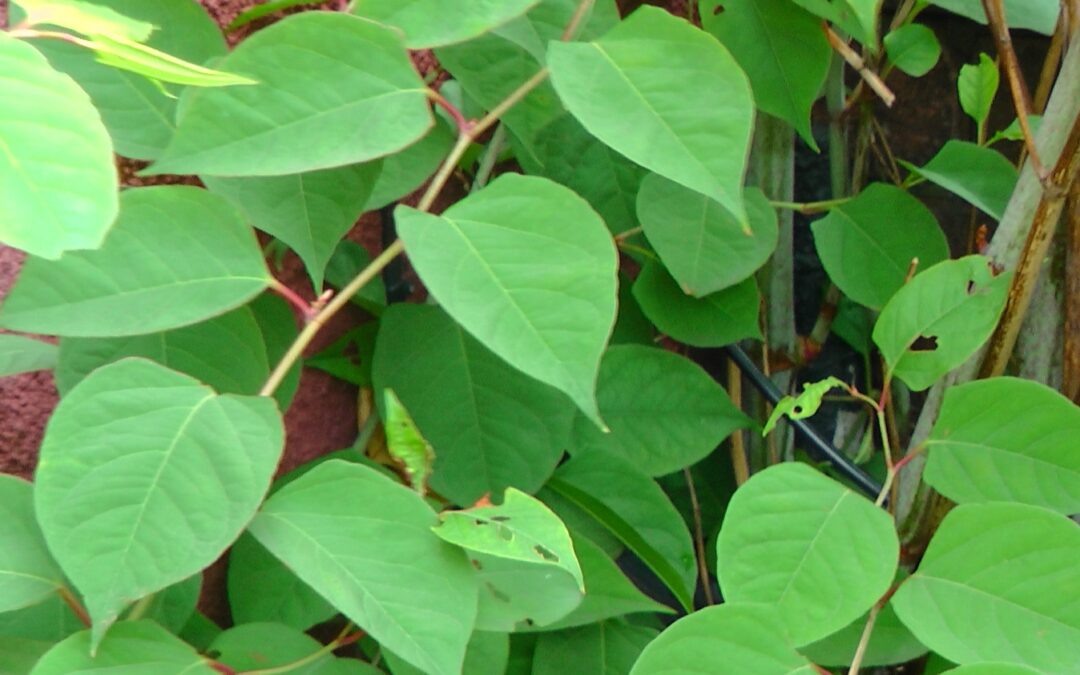
 Japanese knotweed is an invasive plant species. No known specific herbivores feed exclusively on Japanese knotweed; insects and animals may consume small amounts of the plant as part of their diet. Control of Japanese knotweed requires a multi-faceted approach that...
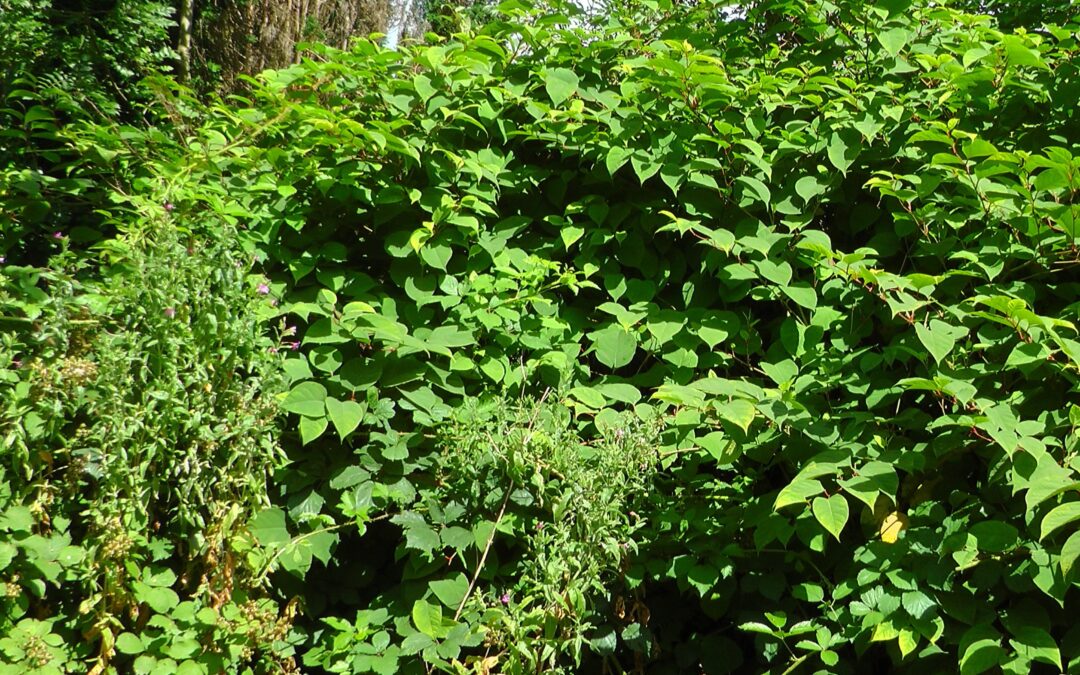 What are the benefits of Japanese knotweed? Japanese knotweed has some benefits, such as providing habitat for wildlife, food, and medicine. Japanese knotweed (Fallopia japonica) is an invasive plant native to East Asia. Although it can be a nuisance and even a...
 The Future of Japanese Knotweed Control and Management: A Comprehensive Look Japanese knotweed (Fallopia japonica) remains one of the most challenging invasive plants in the UK. This aggressive species spreads quickly through underground rhizomes. Even tiny fragments...
 Learn: Can you burn Japanese knotweed in the UK? Why burning Japanese knotweed is not recommended in the UK, the potential risks, and the legal side Burning Japanese knotweed is not a recommended method for controlling the plant in the UK. Also, burning Japanese...
 Japanese Knotweed is a highly invasive plant species that has caused problems in the UK for many years. This plant can spread quickly and cause significant damage to buildings, infrastructure, and ecosystems. In this article, we will explore the role of local...
 The Long-Term Effects of Japanese Knotweed on Soil Health Japanese knotweed (Fallopia japonica) is one of the most aggressive invasive plants in the UK. This fast-growing species spreads through underground rhizomes. As a result, it can affect soil structure, nutrient...
Japanese Knotweed Plus use cookies to improve your experience. We'll assume you're ok with this, but you can opt-out if you wish.AcceptReject Read More Cookies Policy